
The COVID-19 pandemic has disrupted the world of work, making remote work the new norm for many professionals. This transition has revealed that certain professions are particularly suited to this form of remote employment. Information-related jobs, such as developers, writers, and data analysts, have proven to be particularly flexible. Similarly, customer service representatives and digital marketing professionals have found in remote work an opportunity to rethink their working methods. This professional shift raises relevant questions about work-life balance and the new skills required to excel outside traditional offices.
Trending Jobs in Remote Work
Working from home has become the norm since the pandemic, profoundly changing the professional landscape. Remote work is no longer limited to a few isolated niches; it now spans a variety of sectors, allowing for a significant time savings by eliminating commuting and offering the possibility to live anywhere, provided there is a good internet connection. In this digital age, jobs like web writers, copywriters, and community managers have seen an increase in demand, as they embody this new flexibility and productivity sought in remote work.
Career retraining has become essential for those whose jobs were not compatible with remote work. Indeed, some positions, such as those related to industry or hospitality, cannot be performed from home. New avenues have opened up, allowing for the development of financial independence through home-based work and online opportunities, such as business with Shopify or self-publishing via platforms like KDP.
Remote service jobs are experiencing remarkable growth, including professions such as independent real estate agents, customer advisors, and freelance accountants. Even more traditional roles, like that of an envelope stuffer, are finding new life in this context of dematerialization and work flexibility. Creative professions are also thriving in this environment: graphic designers, freelance photographers, and even beatmakers are seizing this opportunity to practice their art without geographical constraints.
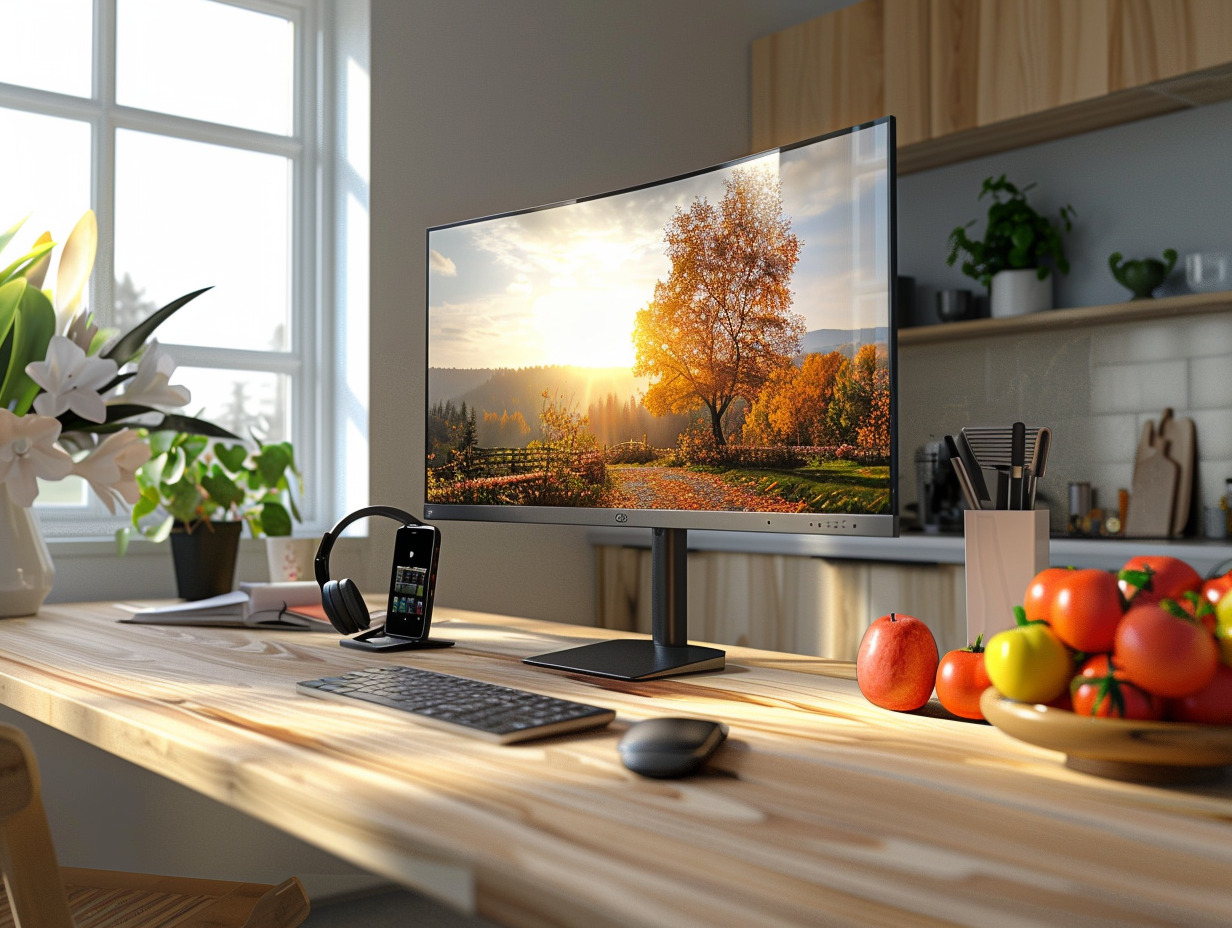
Optimizing Your Remote Work Environment for Maximum Efficiency
The transition to remote work has necessitated the reinvention of home spaces into professional environments. Yet, the question remains: how to arrange your workspace to combine comfort and performance? Optimizing the remote work environment is primarily about creating a clear barrier between personal and professional life, even if these two spheres coexist under one roof. The ergonomics of the workstation, the selection of suitable furniture, and the quality of technological equipment are all factors that influence efficiency. A comfortable office chair, adequate lighting, and the establishment of an effective storage system should not be underestimated, as they contribute to better productivity.
In this dynamic, technology stands out as the cornerstone of productive remote work. A good internet connection is essential, as is the choice of suitable collaborative tools that allow for maintaining connections with colleagues and facilitating communication. Investing in quality equipment, such as high-performance computers and up-to-date software, is therefore crucial. Likewise, securing data appears to be a necessity, requiring remote workers to be more vigilant and adopt robust cybersecurity solutions.
Considering the psychological aspect of remote work is also fundamental. Designing a hybrid work environment that promotes concentration while reducing isolation is a major challenge. Creating a dedicated workspace, away from daily distractions, combined with the establishment of structured rituals and regular breaks, can help clearly delineate work time and personal time. The flexibility often praised by remote work should not overshadow the importance of good time and space management for optimal productivity.