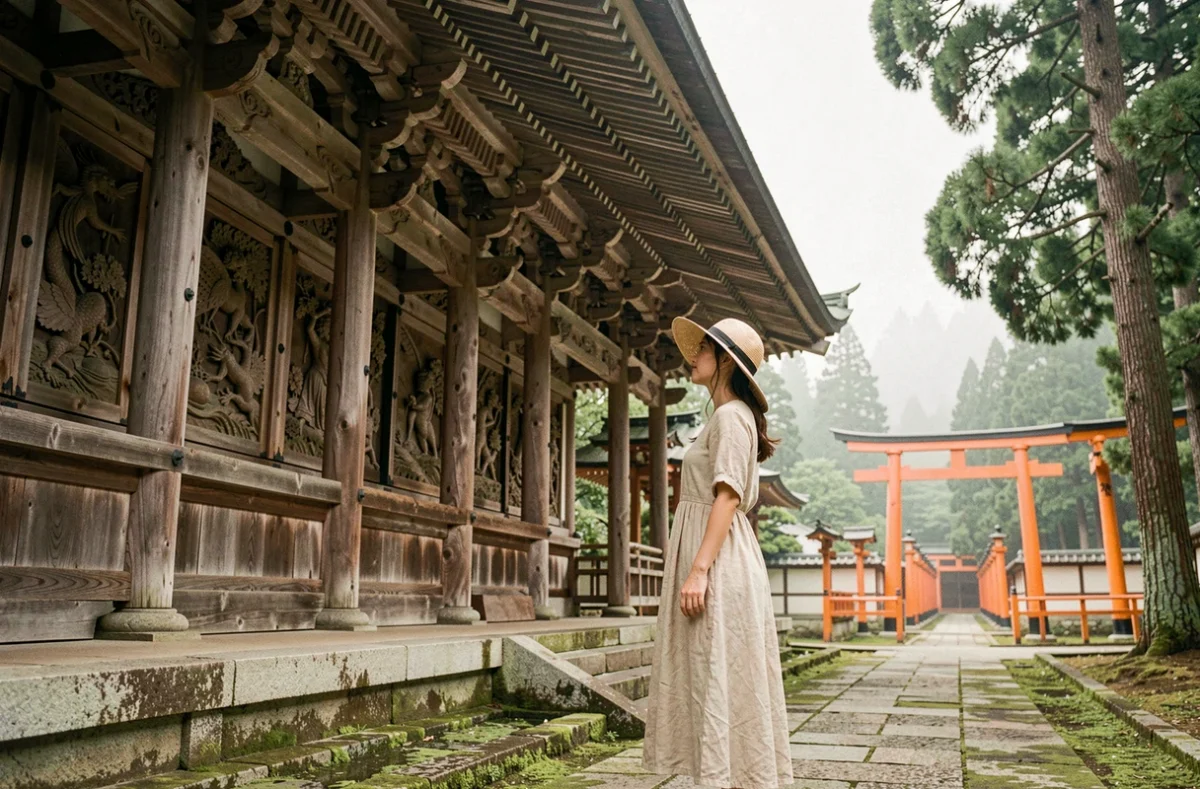
Asia boasts a diversity of landscapes, cultures, and travel rhythms that no other continent can match over such short distances. Millennia-old temples in Japan, sculpted rice terraces in the Philippines, karst bays in Vietnam: Asian destinations attract travelers with very different profiles. The choice of a country or itinerary depends on rapidly changing factors, including localized overtourism, new visa regulations, and shifts in tourist seasons.
Overtourism in Asia: iconic destinations under pressure
Competing articles list places without addressing the pressure many of them face. Kyoto, Bali, and certain Thai islands are indeed experiencing concrete tensions regarding transportation, accommodation, water, and waste. Bali now imposes a tourist tax upon arrival.
This reality alters the on-the-ground experience. A crowded temple in Siem Reap or a saturated beach in Phuket does not provide the same journey as it did ten years ago. Overtourism significantly changes the experience at the most visited sites.
For those planning a trip while considering these constraints, it is useful to consult En Route pour l’Asie online before finalizing an itinerary.
Field reports vary on this point: some travelers find that attendance remains manageable outside of peak season, while others observe degradation even during off-peak times. The response largely depends on the specific site and the chosen time.
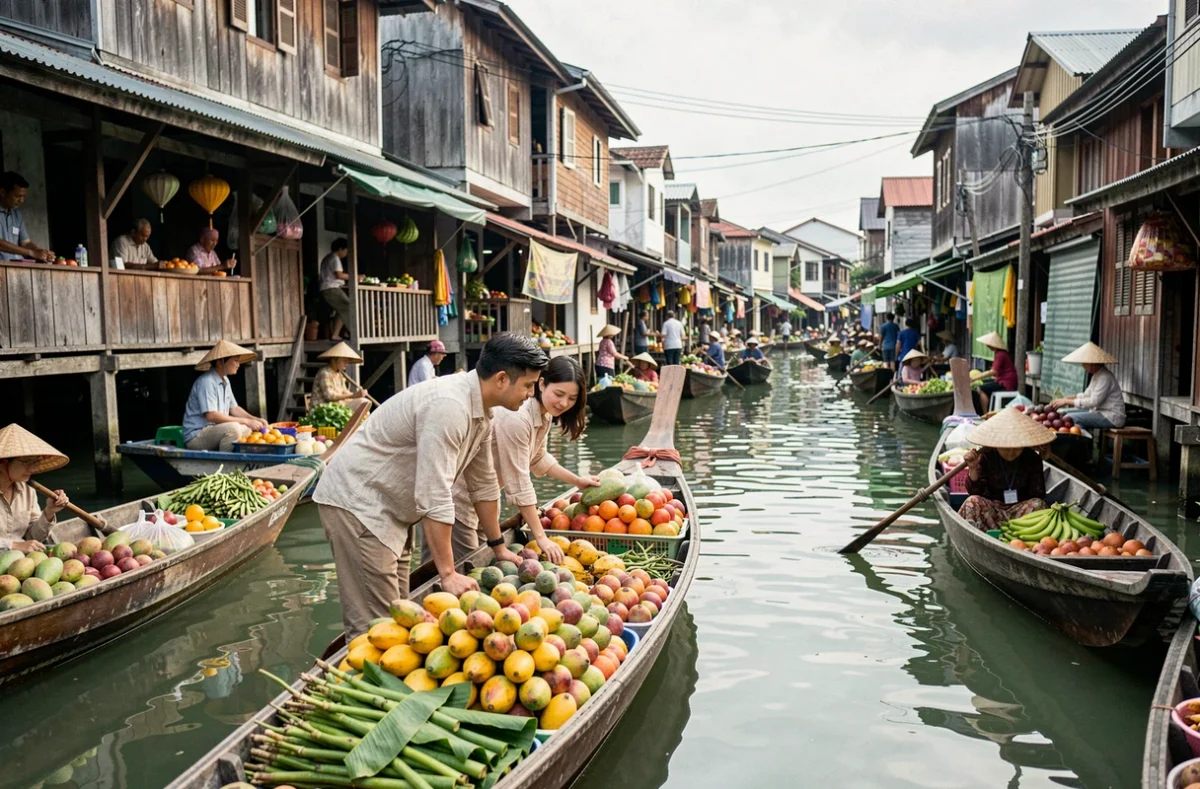
Peak season and shifted travel: when to travel in Asia changes the game
The Asian peak season is no longer a uniform block. Tourism professionals observe several peaks in attendance related to school holidays, local festivals, air capacity, and weather conditions. This fragmentation creates interesting windows for travel.
Off-season travel is becoming more attractive in destinations like Hoi An, Luang Prabang, Langkawi, or certain regions of Japan and South Korea. The weather often remains favorable, prices drop, and attendance decreases significantly.
Destinations where seasonal shifts work best
- Central Vietnam (Hoi An, Hue) between February and April, before the summer influx and rainy season, offers lush rice terrace landscapes and accessible historical sites.
- Sri Lanka alternates between two monsoons depending on the coasts, allowing for pleasant weather almost year-round by adjusting the itinerary.
- Japan outside cherry blossom season (October-November for maples, January-February for snowy onsens) attracts fewer organized tours while offering visually stunning experiences.
Traveling against the tide does not guarantee a perfect stay. Some infrastructures (ferries, lodges, restaurants) close during the low season. Checking local conditions before booking a tour remains a basic precaution.
Emerging Asian destinations: beyond classic circuits
Usual selections revolve around Japan, Thailand, Vietnam, India, and Bali. The Mastercard Economics Institute’s Travel Trends 2025 report indicates a growing interest in Central Asian destinations like Kazakhstan, Uzbekistan, and Kyrgyzstan, which are still absent from mainstream guides.
Uzbekistan attracts visitors with its historical sites along the Silk Road (Samarkand, Bukhara, Khiva). The landscapes of Central Asia, with steppes, mountains, and Islamic architecture, offer a radical change from the beaches and temples of Southeast Asia.
The Philippines, often reduced to their beaches, are also gaining perceived diversity. The UNESCO-listed rice terraces of Luzon offer a trekking and local culture experience that is far removed from a beach holiday. Travelers are increasingly favoring experiences over classic itineraries, according to data from the Mastercard Economics Institute.
Visa formalities: a factor that weighs on the choice
Thailand recently changed its entry rules with new visa exemption provisions. Several Southeast Asian countries are simplifying their formalities to attract more visitors. In contrast, India maintains an e-visa process that requires advance planning, and certain regions (northeast India, border areas with Myanmar) require specific permits.
These administrative disparities concretely influence the choice of a destination. A two-week trip to Vietnam or Cambodia can be organized with fewer constraints than a circuit combining India and Nepal. Checking visa conditions before choosing a country avoids disappointments at boarding.
Culinary, nature, wellness: what truly motivates a trip to Asia
The accumulation of tourist sites is giving way to more targeted motivations. The Mastercard Economics Institute report identifies gastronomy, nature, and wellness as central motivations in the Asia-Pacific region.
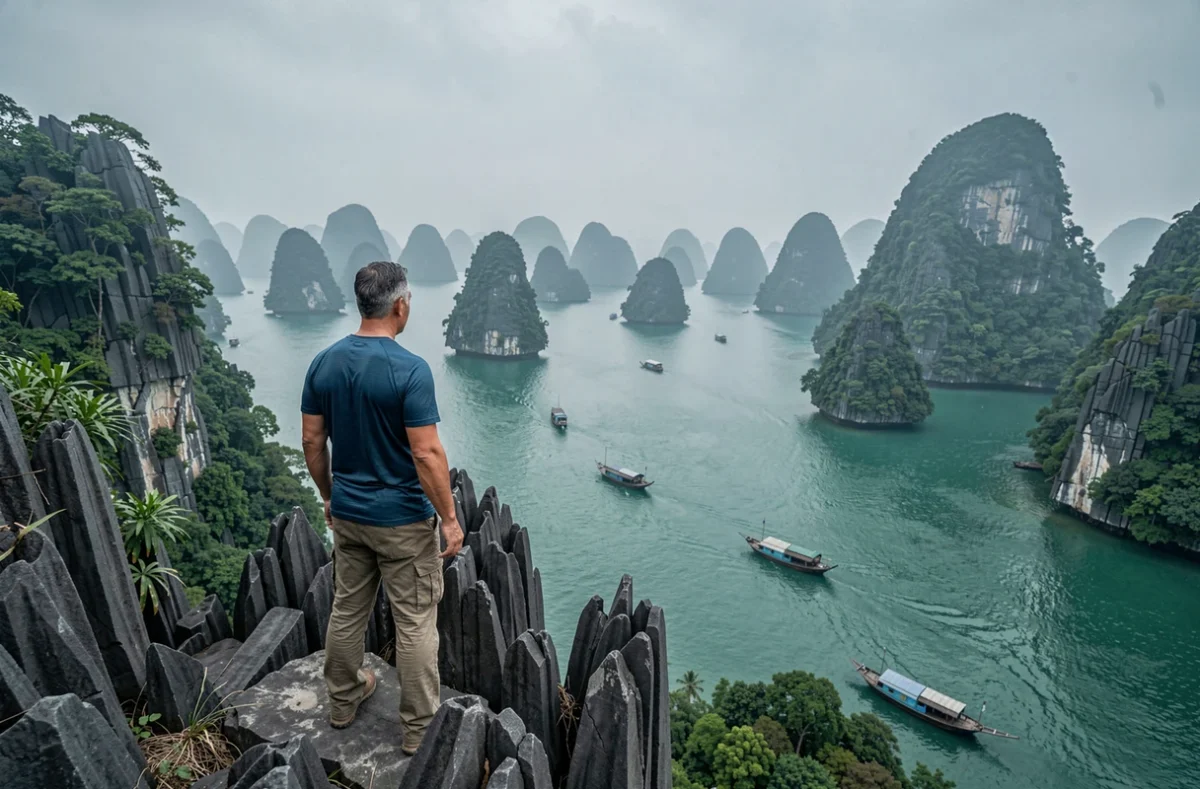
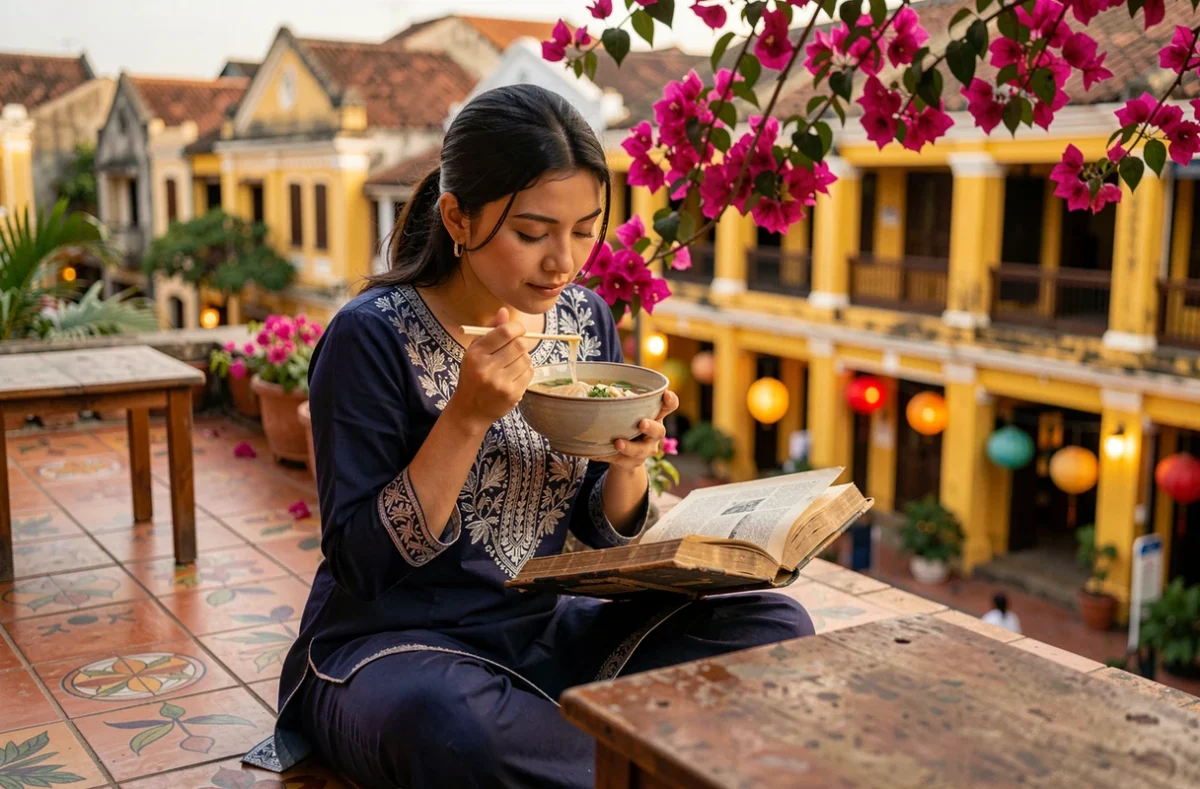
A circuit in Vietnam built around local cuisine (cooking classes in Hoi An, street food in Ho Chi Minh City, ethnic markets in the north) provides an immersion that a visit to Ha Long Bay alone cannot offer. Similarly, a stay in India focused on Ayurveda in Kerala or yoga in Rishikesh meets a specific demand for wellness.
Nature remains the primary travel driver in Asia for a growing share of visitors. Sri Lanka’s national parks for wildlife observation, the Philippines’ marine environments for diving, Indonesia’s volcanoes for trekking: each country has natural resources that justify a stay on their own.
The choice of an Asian destination depends less on a universal ranking than on a convergence of personal motivations, seasonal constraints, and on-the-ground realities. Available data shows that the continent is rapidly transforming, with new formalities, tourist pressure, and the emergence of still little-documented destinations. An unforgettable trip to Asia is now planned with more parameters than just a simple list of places.