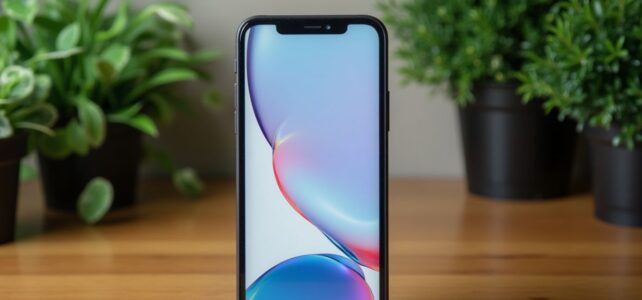
The enthusiasm for smartphones continues to grow, but a strong trend is emerging: the market for refurbished iPhones. These devices, which have already had a first life, return to the market after being carefully restored. This phenomenon is not just an economic issue. It encompasses ecological, technological, and cultural dimensions. Indeed, choosing a refurbished iPhone means participating in an eco-responsible approach while enjoying cutting-edge technology at a lower cost. This choice is increasingly popular among consumers eager to reduce their carbon footprint while benefiting from a high-performing product.
Who are the players in this market? Why are consumers increasingly attracted? And what does the future hold for this trend?
The Economic Advantages of Refurbished iPhones
In a changing economic context, the appeal of refurbished iPhones largely rests on their reduced cost.
- A more affordable price: Acquiring a refurbished iPhone allows for substantial savings compared to a new model. This is particularly attractive for budget-conscious consumers who still wish to acquire a quality product.
- Safe value: iPhones, known for their durability and longevity, retain a strong residual value even in the context of refurbishment, thus ensuring a good quality/price ratio.
- Included warranty: Contrary to popular belief, a refurbished iPhone often comes with a warranty, providing peace of mind similar to that offered when purchasing a new device.
Ecological Impact and Social Responsibility
In this era where environmental responsibility is at the heart of concerns, refurbishing iPhones presents itself as an ethical and sustainable solution.
Choosing a refurbished iPhone means actively participating in the reduction of electronic waste. By extending the lifespan of devices, we decrease the need to produce new smartphones, thus limiting the ecological footprint of the industry.
Moreover, this contributes to the circular economy, an economic model that values recycling and reuse, and simultaneously creates new jobs in the refurbishment sector.
Finally, this practice raises consumer awareness of environmental issues, encouraging them to adopt more responsible purchasing behaviors.
Refurbishment Process: A Guarantee of Quality
The refurbishment of iPhones is not just a cleaning and repair process. It involves a series of rigorous steps that ensure a high-quality product.
- Initial inspection: Each device undergoes a thorough examination to identify any defects or damages.
- Repair and replacement: Defective parts are repaired or replaced with new or certified components.
- Software update: iPhones are updated with the latest software versions, ensuring optimal performance.
- Final testing: Before being put on sale, each phone undergoes a series of rigorous tests to ensure its proper functioning.
Changing Perceptions and Shifting Mindsets
The previously negative perception of refurbished phones is rapidly evolving.
Consumers are now realizing that these devices offer a quality comparable to new ones. Trust in the refurbished iPhone market is thus strengthened.
Awareness campaigns, led by brands and distributors, play a fundamental role in this change. They highlight the economic and environmental benefits, thereby redefining the image of refurbished products.
Finally, the trend towards a more responsible consumption model, valuing sustainability and quality, resonates positively among new generations. This shift in mindsets contributes to the growth of this market.